
T1: The Bridge We've Been Missing
.png)

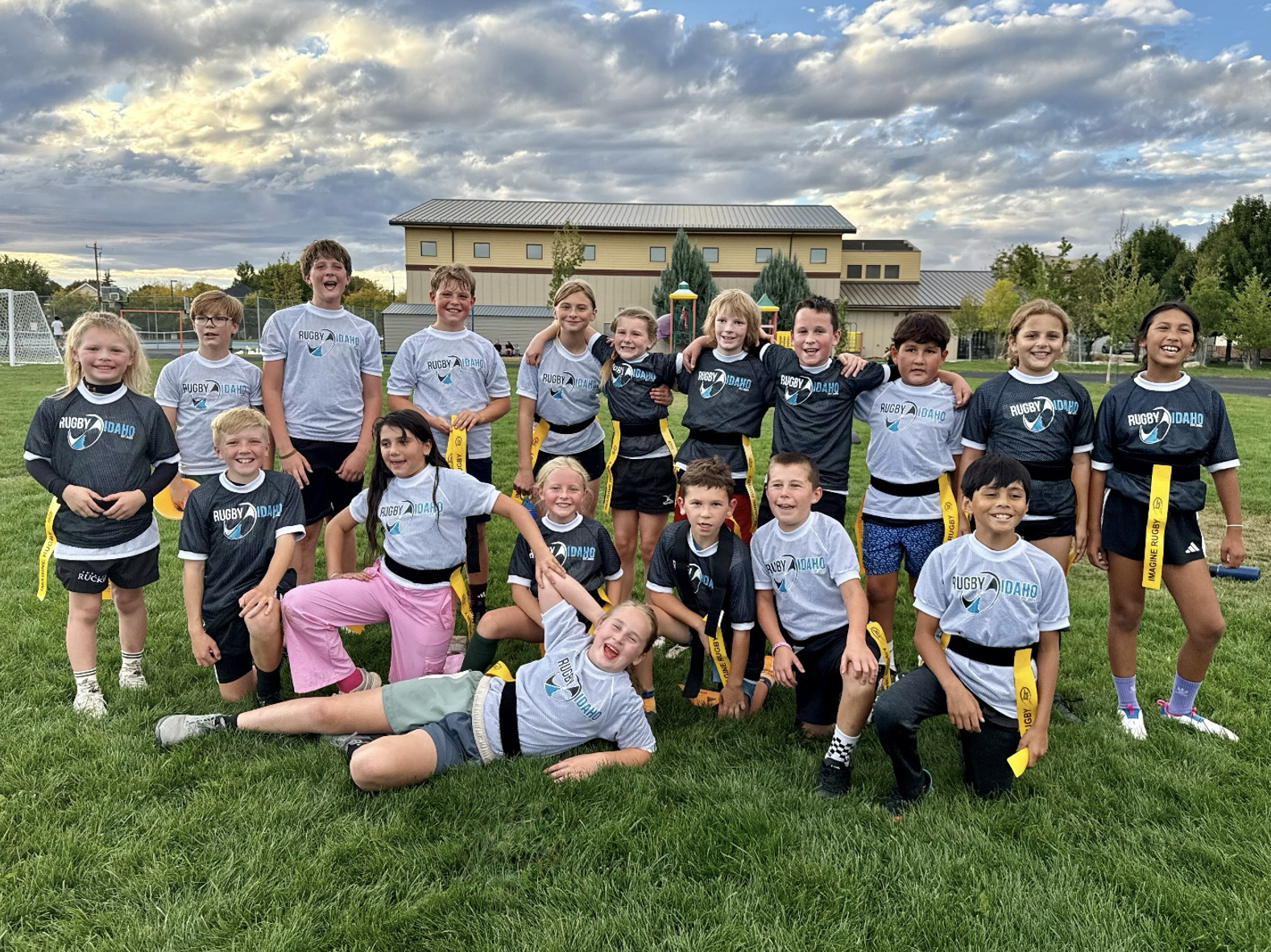
Every year, thousands of young athletes across the country show up to a "Get Into Rugby" session, pick up a rugby ball for the first time, and fall in love with the game. The session ends. And for far too many of them, that's it.
This is the gap that has quietly limited our sport's growth for years — not a lack of interest, but a lack of a next step. "Get Into Rugby" has always done exactly what it's supposed to do: it's a fantastic front door. It creates that first spark. But without a clear, local, low-barrier way to keep playing, much of that early enthusiasm never makes it any participation.
In August 2026, USA Youth & High School Rugby and USA Rugby jointly adopted T1 as the official national standard for non-contact rugby in the United States — and for the first time, the United States has an offering built specifically to sit in that gap. T1 isn't another intro clinic and it isn't full contact rugby. It's the missing middle: the structured, local, welcoming next step every "Get Into Rugby" graduate deserves.
What T1 Actually Looks Like
T1 is deliberately simple and flexible. It's played 7-a-side, on a half-pitch, fully non-contact, and open to mixed-age and mixed-gender participation. However, it has a “game on” structure that allows for any of the format principles to be adjusted to the local needs.
The format lowers the barrier to entry for kids who might be intimidated by full-contact rugby, for parents who want to see how their child “take” to the sport before going further, and for community clubs to utilize as the mechanism to grow their numbers. T1 meets young athletes exactly where they are.
The Pathway This Was Built to Complete
Get Into Rugby gives a kid their first touch of the ball. Local T1 League gives them a season of local, fun, low-stakes play at their community club and from there the progression into Tackle Rugby becomes natural and offers age-grade progression into the full game.
Before T1, Get Into Rugby had only been backed up by progression into a more competitive tackle program — but the bridge from an intro non contact environment to a tackle environment is where we are losing the connection. That's the gap T1 was designed to close, and it's why this matters so much for the long-term health of youth rugby in this country.
Why SYROs and Clubs Are the Engine Behind This
The pathway runs through the SYROs and clubs that already form the backbone of youth rugby in every community. T1 is designed to be run and operated locally. The goal is to make it as easy as possible for a SYRO or a club — regardless of size or how mature their program already is — to stand up a T1 league and turn it into a real, sustainable feeder into the local ecosystem.
Spring 2027 will see a handful of pilot locations begin implementing the T1 model. A national standard only works if the people delivering it locally have what they need to succeed, which is why the T1 pilots will be crucial in assisting the next steps in resource development. T1 roll-out comes backed by a full national curriculum, an instructional video series, and referee guidance, with integration into non-contact coaching education targeted for 2027.
The response so far bears this out. Interest and commitment from SYROs to deploy T1 programming has already been strong, and youth sporting organizations that want to add rugby as an offering are ready to bring T1 to brand-new participants as a local touchpoint.
Mass participation happens by making sure every kid who takes that first touch has somewhere to go next. T1 is that somewhere. It's the connection between a single afternoon of introduction and a lifetime relationship with the sport — built, standardized, and ready to be delivered by the SYROs and clubs who make youth rugby happen in their own backyards every single week.
.png)
%20(2).png)
.png)


%20(1).png)
.png)
-p-1600%20(2).png)
.png)



.png)



.png)
.png)
%20(1).png)
.png)
.png)

%20(1).png)

.png)





.png)
.png)


.png)


.jpg)

.png)


%20(1).png)
%20(1).png)


%20(1).png)


.png)


.png)

